Switching From a Gas Range to Induction in an Existing Kitchen
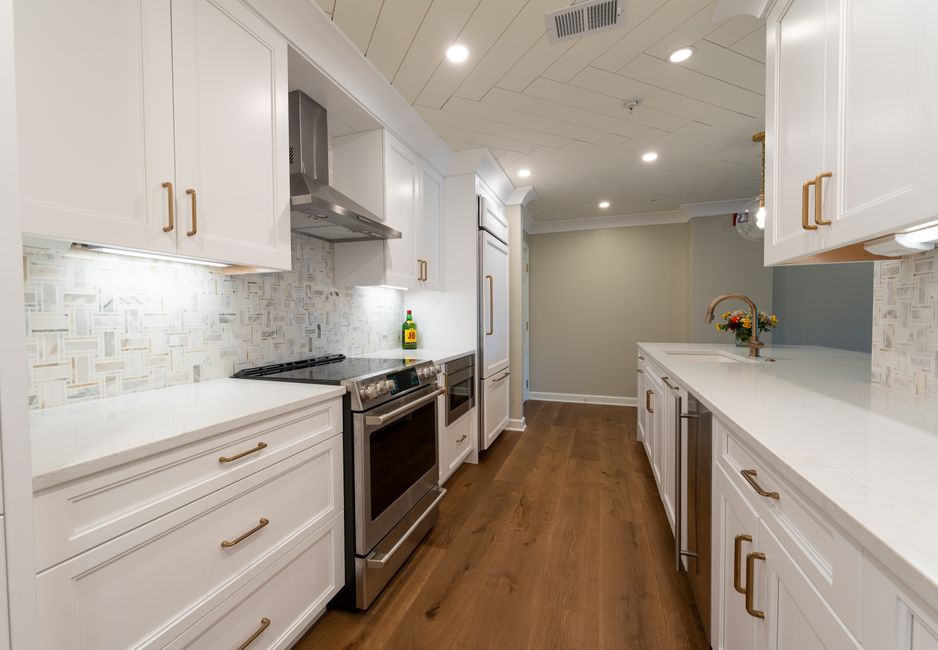
The faint smell of gas near a range that has been moved and reconnected a few times is the first thing a plumber checks, and work booked through riverside kitchen remodel wine ohs for Riverside, CA homes often starts with that same line. Switching a kitchen from a gas range to an induction range keeps the layout and the countertop the same but replaces how the stove is fed. The gas goes away and a heavier electrical circuit arrives.
Capping the gas line properly
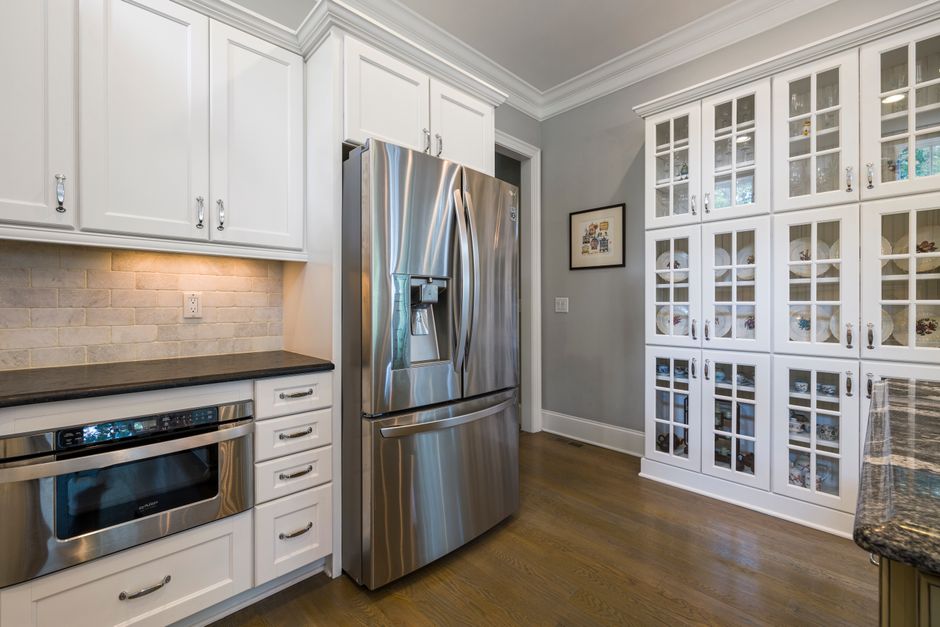
A plumber closes the shutoff valve behind the range, disconnects the flex connector, and caps the pipe with a threaded cap rated for gas. Then comes a pressure test on the line to confirm the cap does not weep. In many Riverside homes the line serves the dryer or the water heater too, so only the branch to the kitchen is capped and the rest stays live.
The new circuit
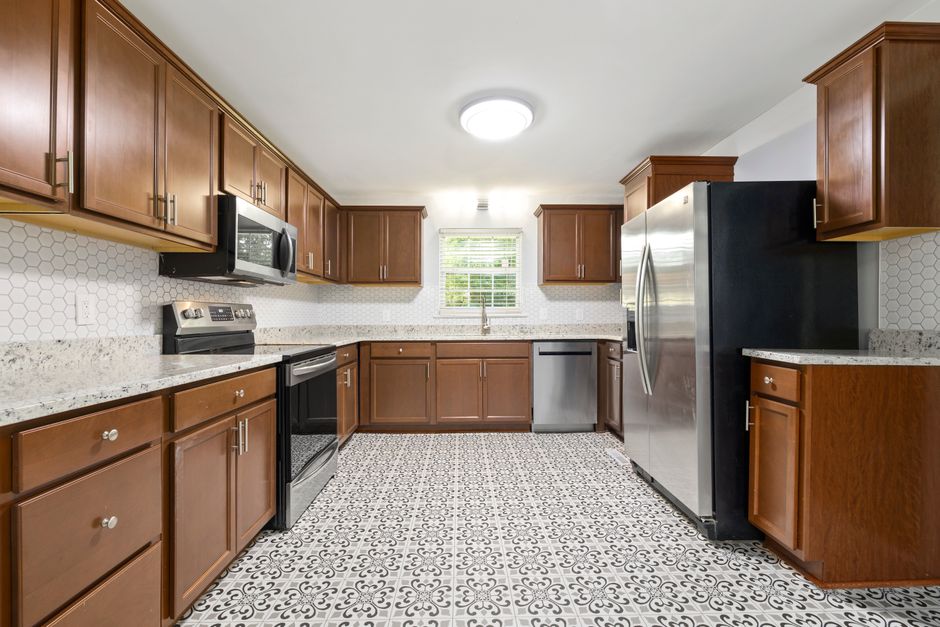
An induction range draws a dedicated high-amperage circuit, usually a 240 volt line with a heavy gauge cable run from the panel to a receptacle behind the range. That cable is thick and stiff, and routing it through finished walls or an attic is where the labour goes. Older Riverside homes, especially those with smaller service panels, may have no spare breaker space. Checking the panel before buying the range avoids a surprise. A panel upgrade is its own project, with its own permit and inspection.
What changes at the countertop
A freestanding induction range fits the same cutout as a gas range. A slide-in model sits slightly differently against the countertop edge and may leave a visible gap. Measure the opening width, the depth, and the height of the cooktop surface against the adjacent countertop. A cooktop that sits low by a quarter inch looks fine; one that sits high catches the eye. When the range gets pulled out, check the wall behind it for scorched paint, grease in the grout lines of a tile backsplash, or a loose receptacle plate. The empty space behind a gas range is also the moment to caulk the baseboard and the joint along the countertop.
Cookware and the magnet test
Induction needs magnetic cookware. A magnet that sticks firmly to the bottom of a pan means the pan will heat. Cast iron and most stainless pans work. Aluminum, copper and glass do not unless they have a magnetic base.
Ventilation still matters
Induction makes no combustion byproducts, but cooking still makes grease and steam. The hood stays, and a hood that vented a gas range usually works as it is. In a kitchen with a window near the range, Riverside heat in late summer makes a working hood a comfort item as well, and the induction surface adds far less heat to the room than a burner, which is noticeable on a hot July evening.