Moving a Kitchen Sink in a Slab Foundation Home
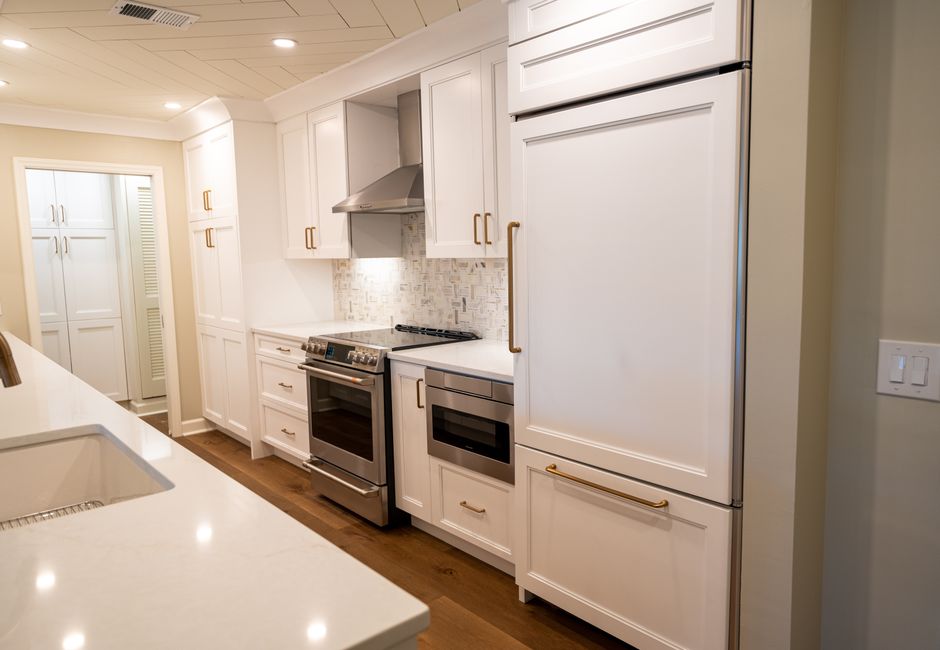
The thud and gurgle from a drain with too little fall is the sound most people associate with a badly moved sink, and the figures kept at riverside kitchen remodel wine ohs for Riverside, CA kitchens say the same thing: slope decides everything. Moving a sink a few feet sounds minor. On a slab-on-grade house it means breaking concrete or finding another way to vent and drain the new spot.
Why a slab changes the job
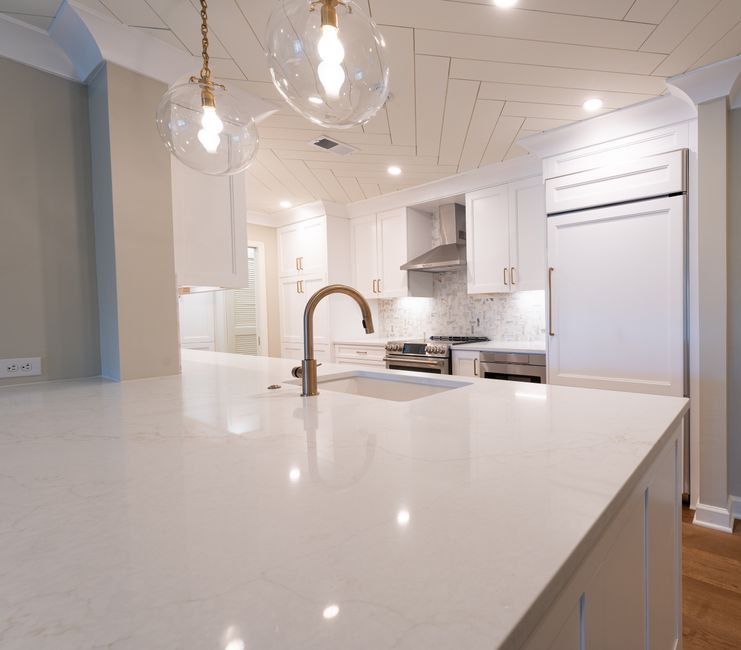
In a house with a crawlspace, a plumber crawls under, cuts the drain, and runs a new line with the right fall. On a slab, the drain runs inside the concrete. Reaching it means cutting a trench in the slab, setting new pipe, and patching the floor. That is noisy, dusty work, and it shows up in the schedule as a few days of its own before cabinets or the countertop move at all.
Drain slope and the distance limit
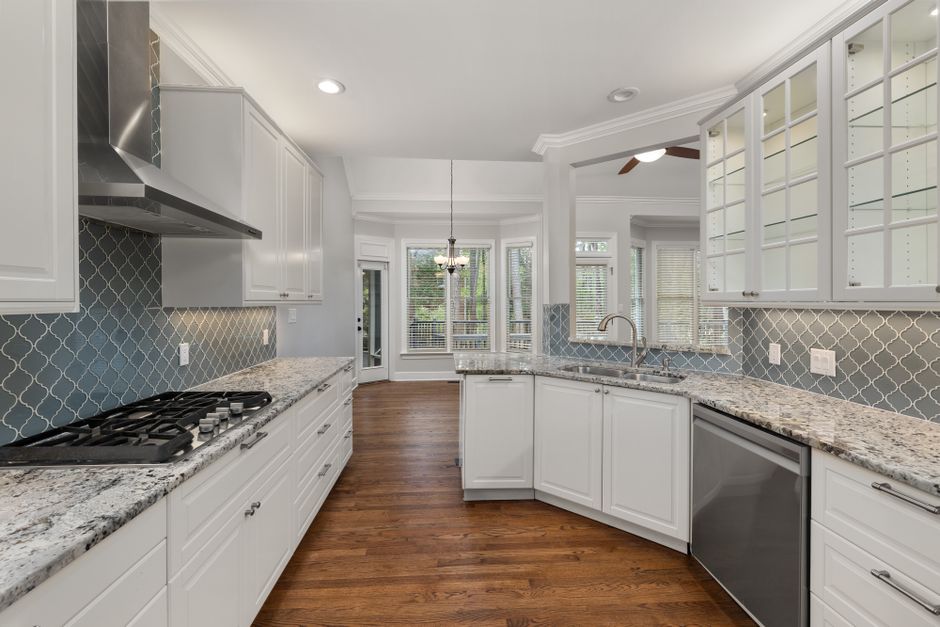
A kitchen drain needs steady downward fall toward the main line, and the trap has a maximum distance from its vent. Move the sink too far from where the old drain tied in, and the pipe either runs out of fall or the trap loses its vent and starts to siphon. Plumbers measure the run before anything is promised. A short shift along the same wall is usually workable. A move to the far side of the room often is not without a different approach.
Trenching versus an island vent
Two common answers exist. The first is trenching the slab to bring a new drain to the new location, with a vent run up inside the wall. The second, for a sink in an island, is an air admittance valve or a loop vent under the cabinet, where code and the inspector allow it. Trenching is invasive but permanent and conventional. A loop vent saves concrete but needs inspector approval and careful routing inside the base. A good plumber explains which one the house suits before cutting anything.
Old supply lines and hard water
Water from Riverside County wells and from the basin fed by the Santa Ana River is hard, and older copper and galvanized lines show it as scale inside the pipe. Cutting into an old galvanized line to extend it often reveals a bore half closed with mineral buildup. In that case the extension is a good time to replace the section back to a healthy point. A faucet cartridge and the angle valves wear faster in scaled water, so flushing the lines after the work protects them.
Fitting it into a partial remodel
If the cabinets stay and only the countertop changes, the sink stays too, and the slab is left alone. Relocation belongs in a different phase of work, ahead of the new floor and the cabinet install, because the trench and patch have to cure before the next trade arrives. Do it first, and the rest of the schedule runs clean.